

Episcopal Elections
2026 General Conference
Episcopal Election Results
A Historic First for the Global Methodist Church
For the first time in the life of the Global Methodist Church, a full-time Assembly of Bishops has been elected and assigned to serve our global connection. Bishops are called to more than an office. They are entrusted with a sacred responsibility to shepherd the Church, guard the faith, teach and uphold sound doctrine, equip the saints for ministry, and lead the Church in its mission to make disciples of Jesus Christ and spread scriptural holiness across the globe.
Beginning in November, these eight bishops will serve their episcopal areas for the next six years. As they prepare to take up this sacred responsibility, the words of the Wesley Covenant Prayer offer a fitting expression of the calling before them:
“Put me to what You will, rank me with whom You will... I freely and heartily yield all things to Your pleasure and disposal.”
This is the heart of episcopal leadership: not Where do I want to serve? but Where is Christ calling me to go? A willingness to be sent, to serve, and to give oneself faithfully to the work of Christ and His Church.
As we celebrate this historic moment, we also give thanks for those who have faithfully and selflessly provided episcopal leadership during these formative years of the Global Methodist Church.
May our bishops lead with humility, teach with faithfulness, shepherd with love, and go wherever God calls as together we seek to spread scriptural holiness across the globe.
The new Assembly of Bishops will be consecrated on September 5. The Consecration service will be livestreamed from Johannesburg.
Join us in praying for these bishops, their families, and the people and places they have been called to serve.

Luther Oconor
Episcopal Area 1
Tanzania, Covenant Philippines, India, Mega Manila, Philippines, Panama, Mississippi-West Tennessee, Trinity
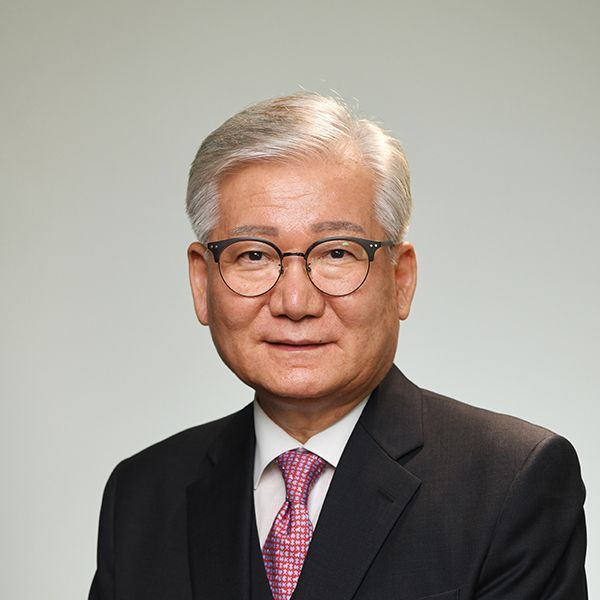
Johnathan Lee
Episcopal Area 2
Bulgaria, Mexico, MidTexas, Northeast, Afrika Mashariki, Korean-American

Mark Webb
Episcopal Area 3
Central Nigeria, South Carolina, Peru, Upper Midwest, Florida, South Africa

Lyndol Loyd
Episcopal Area 4
North Alabama, Thailand, MidSouth, West Plains, Western Pacific, Northeast Nigeria

Jerry Kulah
Episcopal Area 5
Ethiopia Nazrawiyan, Great Lakes, Virginia, Southern Nigeria, Oasis, Grain Coast
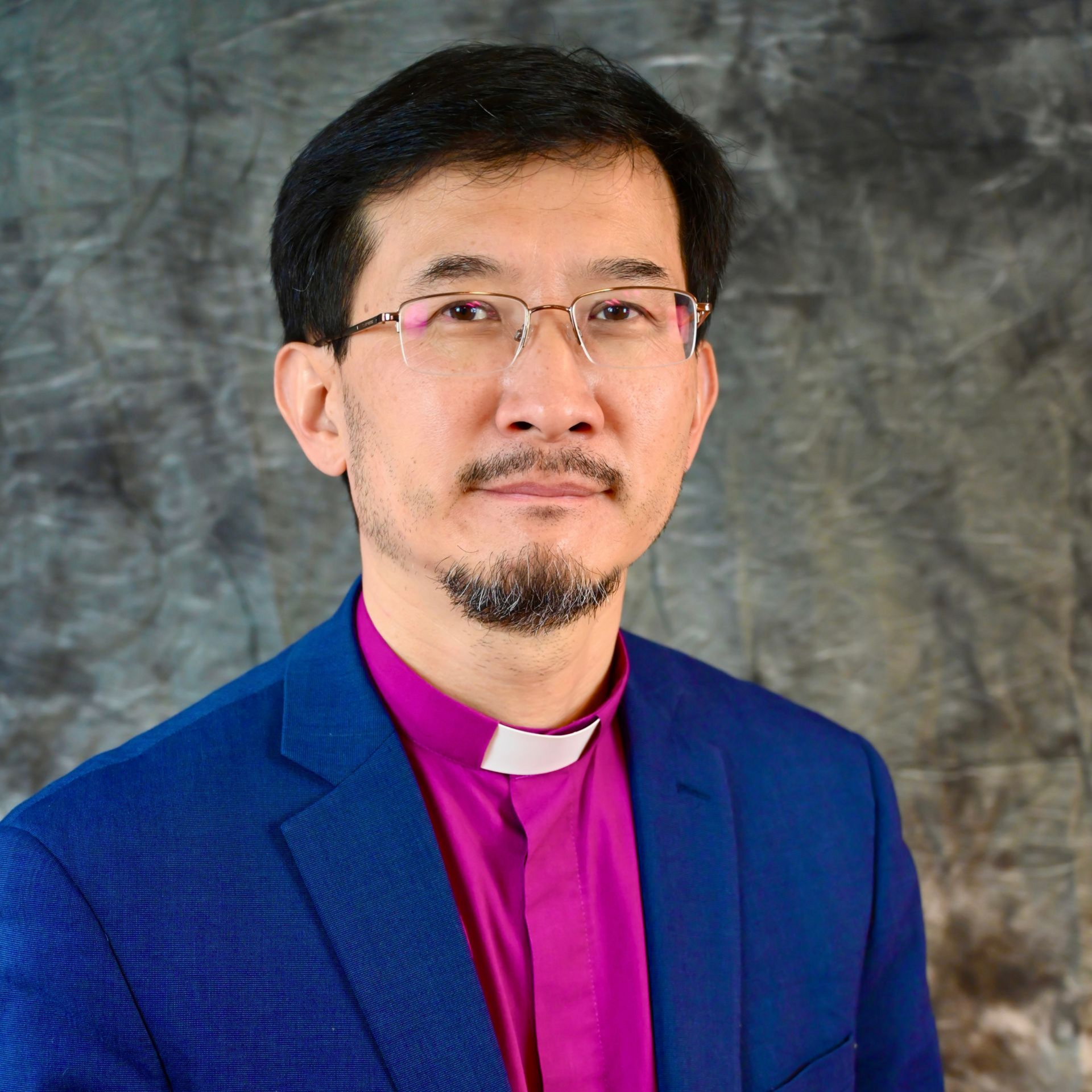
Eduard Khegay
Episcopal Area 6
Central African Republic, Central Russia, East Russia-Central Asia, Northwest Russia-Belarus, South Russia, Democratic Republic of Congo

Paul Lawler
Episcopal Area 7
Venezuela, South Georgia, North Georgia, Central Europe, Zambia, Northern Nigeria, Alabama Emerald Coast

Carolyn Moore
Episcopal Area 8
Allegheny West, North Carolina, Uganda, Kenya, Malawi, Zimbabwe, Heartland
Episcopal Elections
The Global Methodist Church will elect a regular, full-time slate of bishops at its 2026 General Conference in Johannesburg, South Africa
(Aug. 30-Sept. 5). In overseeing the process of episcopal elections, your Global Episcopacy Committee is governed by our Book of Doctrines and Discipline (BDD), particularly ¶604.
Key Dates
- March 15, 2026: Delegations submissions due
- May 30, 2026: Plenary Gathering
- July 22, 2026: Area Committees on Episcopacy provide ranked top five choices
Approved Episcopal Areas for 2026–2032
The Global Episcopacy Committee (GEC) of the Global Methodist Church is pleased to share the episcopal areas for the 2026–2032 sexennial.
This historic gathering, outlined by ¶604.3 of the Book of Doctrines and Discipline of the Global Methodist Church (2024), will bring together one clergy and one lay representative from each of the denomination’s 51 duly organized Annual Conferences for the purpose of officially setting the episcopal areas for the next sexennial.
At the May 30 plenary gathering, representatives voted to approve the eight episcopal areas across the globe listed below.
| Episcopal Area 1 | Episcopal Area 2 | Episcopal Area 3 | Episcopal Area 4 |
|---|---|---|---|
| Tanzania | Bulgaria | Central Nigeria | North Alabama |
| Covenant Philippines | Mexico | South Carolina | Thailand |
| India | MidTexas | Peru | MidSouth |
| Mega Manila Philippines | Northeast | Upper Midwest | West Plains |
| Panama | Afrika Mashariki | Florida | Western States |
| Mississippi-Western Tennessee | Korean-American | South Africa | Northeast Nigeria |
| Trinity |
| Episcopal Area 5 | Episcopal Area 6 | Episcopal Area 7 | Episcopal Area 8 |
|---|---|---|---|
| Ethiopia Nazrawiyan | Central African Republic | Venezuela | Allegheny West |
| Great Lakes | Central Russia | South Georgia | North Carolina |
| Virginia | East Russia-Central Asia | North Georgia | Uganda |
| Southern Nigeria | Northwest Russia-Belarus | Central Europe | Kenya |
| Oasis | South Russia | Zambia | Malawi |
| Grain Coast | Democratic Republic of Congo | Northern Nigeria | Zimbabwe |
| Alabama Emerald Coast | Heartland |
Area Committees on Episcopacy are made up of representatives from the annual conferences in an episcopal area. The committees interview, evaluate, and rank episcopal candidates. This allows for the kind of thorough discernment and vetting often associated with an executive search process. View the full committee member lists by clicking below.
Episcopal Election Announcements

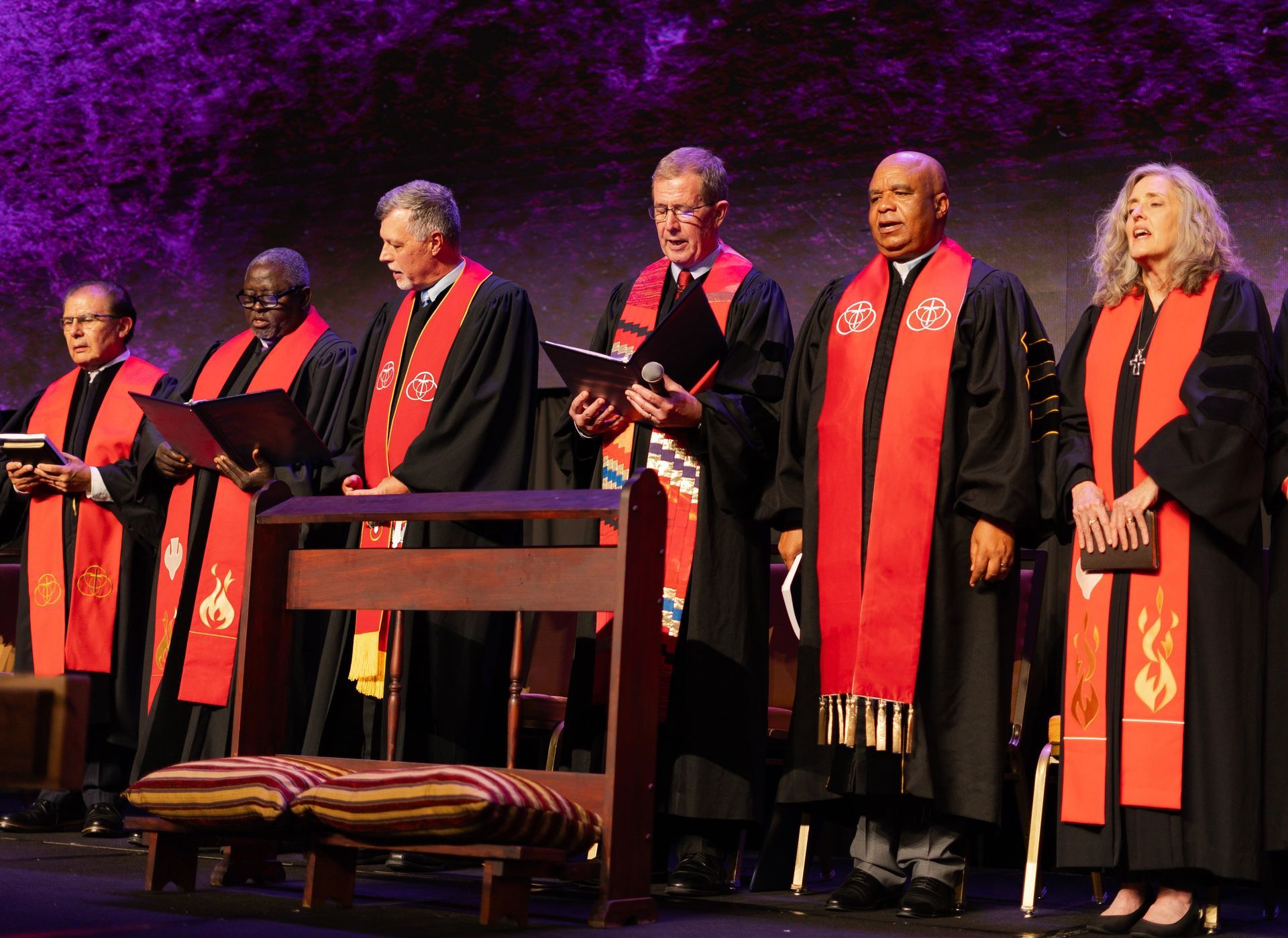
Global Methodist Church Announces Preliminary List of Episcopal Nominees for General Conference 2026
Connectional Conversations - May 18, 2026
Episcopacy Election Process
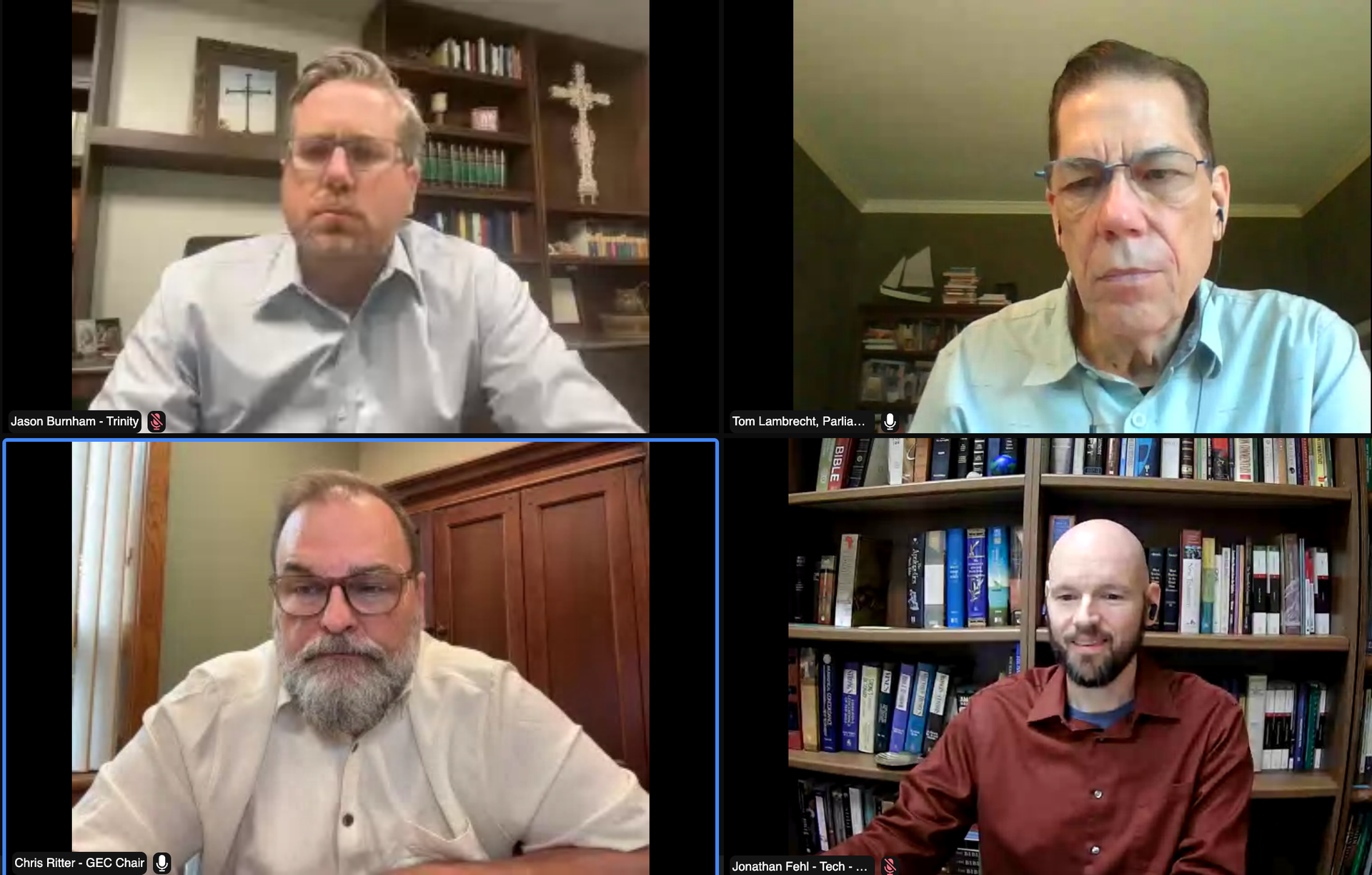
In May's session, hear from Jason Burnhan who helps members of the general church better understand the episcopal area selection process, rationale, and proposal.
View in other languages: French | Korean | Portuguese | Spanish
Connectional Conversations - January 16, 2026
Episcopacy Election Process
In this Connectional Conversations video, learn about the episcopacy election process for General Conference 2026. Our speakers join us from the Global Episcopacy Committee: Chris Ritter (chair), Jason Burnham (vice chair) and Tyson Heins (member).
View in other languages: French | Korean | Portuguese | Spanish
Read the transcript in
Kiswahili
Expectations for the 2026 Election Process
Global Episcopacy Committee
The Global Episcopacy Committee approaches the nomination and election of bishops as a sacred act of prayerful discernment within the body of Christ. The Committee therefore calls those nominated for episcopal service to participate in this process with humility, integrity, and deep reliance upon the guidance of the Holy Spirit.
Scripture reminds us that the Lord ultimately directs the decisions of His people and grants wisdom to those who seek Him in faith (Proverbs 16:33; James 1:5–8). For this reason, the election of bishops is not understood as a political contest, but as a spiritual discernment of those whom God is calling to shepherd His Church.
The office of bishop is a sacred trust. Those who may be called to this role are entrusted with guarding the faith, equipping the Church for ministry, and shepherding the people of God. Accordingly, episcopal nominees are expected to demonstrate the biblical qualifications for spiritual leadership described in Scripture (1 Timothy 3:1–7; Titus 1:5–9; Acts 6:3).
Throughout the nomination and election process, nominees and those assisting them are expected to model Christlike character, seeking the unity of the Church and avoiding actions that could foster division, rivalry, or personal ambition (Ephesians 4:1–6; Philippians 2:1–4). The manner in which we all conduct ourselves during this season should reflect the humility, holiness, and servant leadership that comport with our highest ideals.
In keeping with the spirit of prayerful discernment, the Global Episcopacy Committee expects nominees to refrain from campaigning or electioneering. The distribution of promotional materials, organized advocacy, or attempts to influence delegates through verbal, written, or digital lobbying do not reflect the spirit in which the Church seeks to discern its episcopal leadership. Nominees should likewise refrain from encouraging or benefiting from such activities undertaken on their behalf.
The integrity demonstrated during the nomination and election process reflects the spiritual maturity required of episcopal leaders. Nominees are therefore expected to participate in this season with transparency, accountability, and faithfulness to the mission of the Church (2 Corinthians 8:21).
Should concerns arise regarding adherence to these expectations, they may be brought to the Global Episcopacy Committee for prayerful review.
The Committee offers these expectations as an expression of our shared commitment to holiness, unity, and faithful leadership in the Global Methodist Church. We pray for all nominees, that they might model the highest ideals of leadership in the Global Methodist Church.