
Doctrine and Sacraments Committee Considers Proposed Articles of Faith
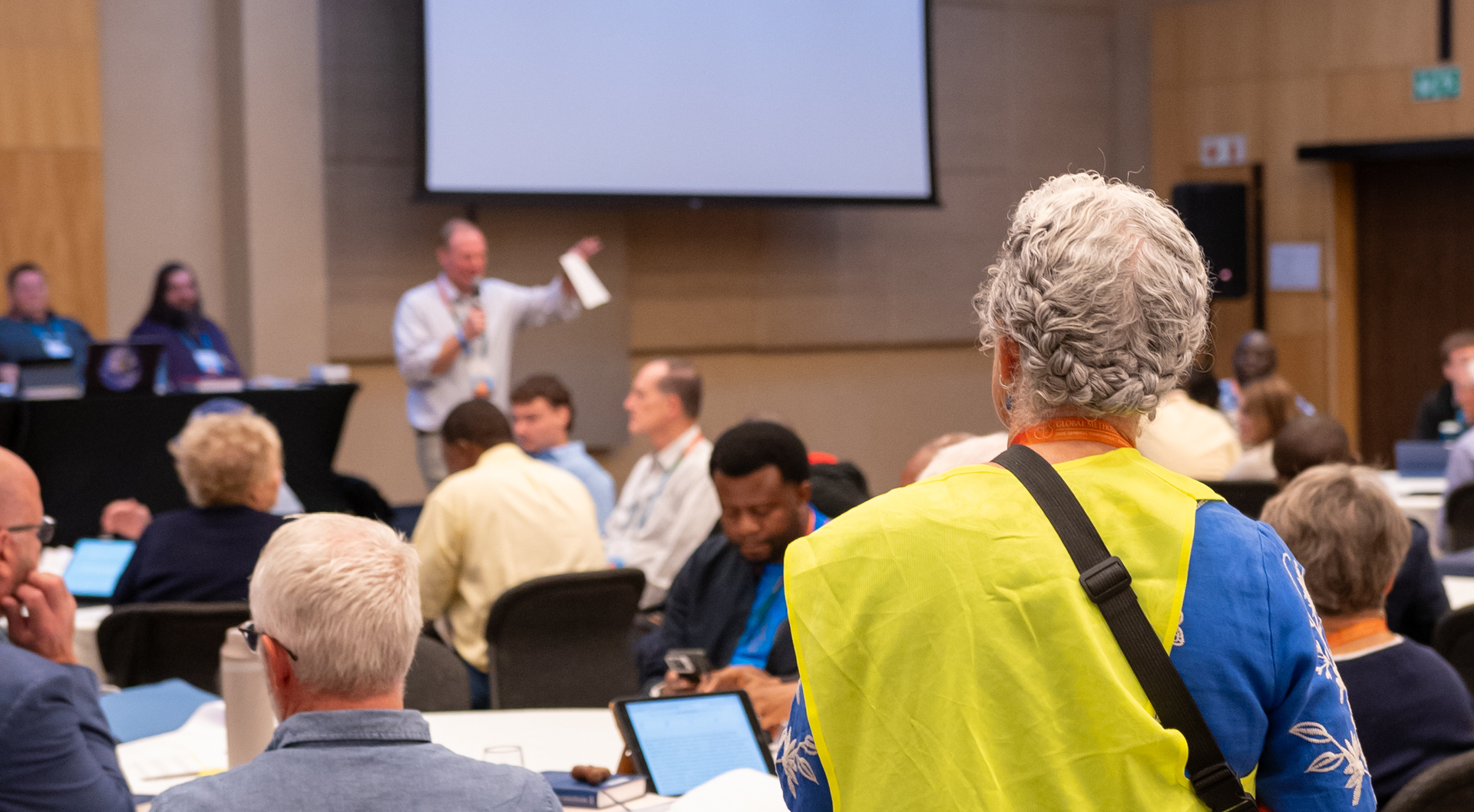
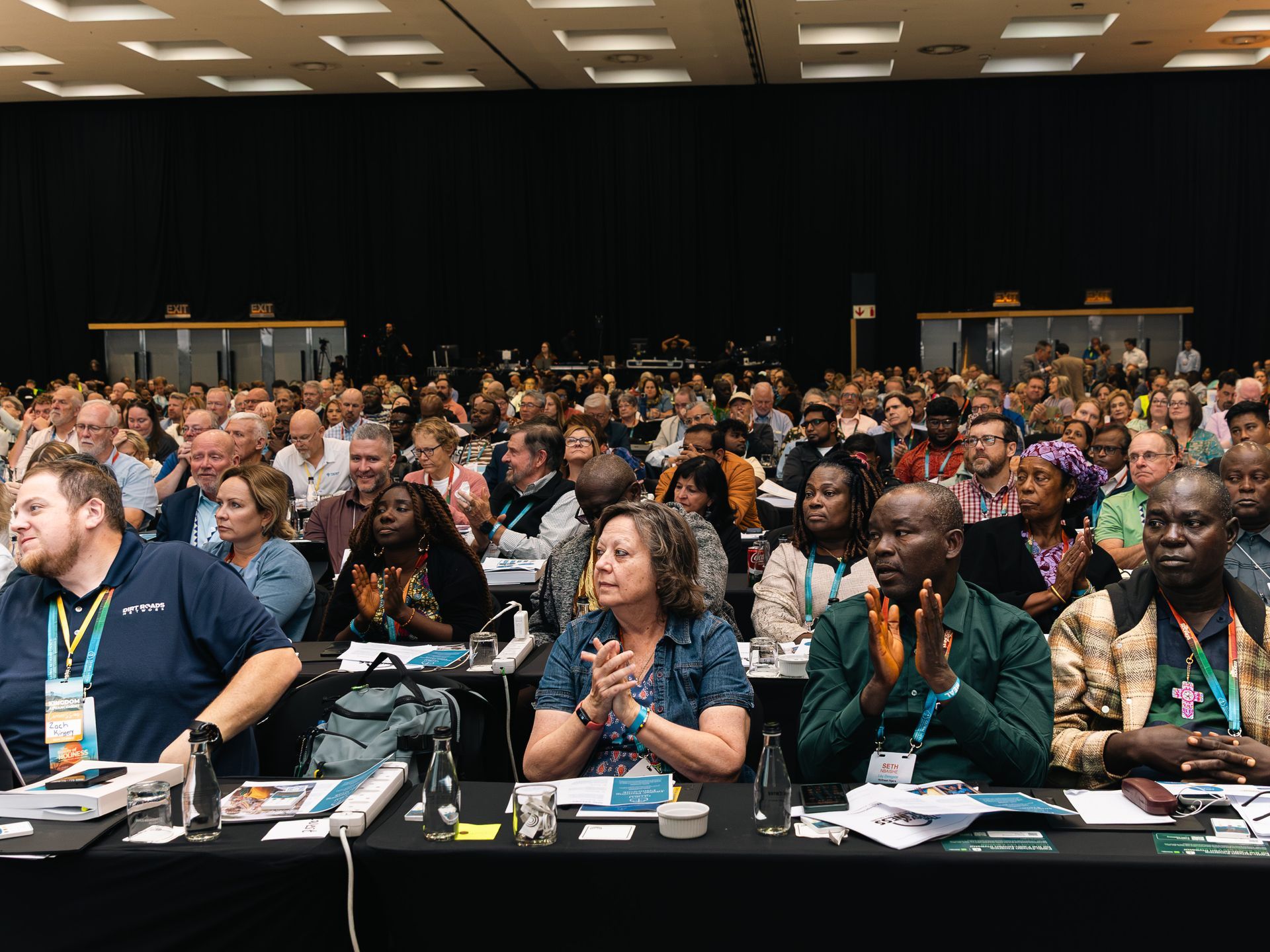
The Doctrine and Sacraments Legislative Committee gathered this week for what Chair Matthew O’Reilly described as one of the most important tasks the group would undertake— “to start working on a doctrinal standard for the Church.” The committee began the slow, careful work of considering a proposed, combined Articles of Faith for the Global Methodist Church.
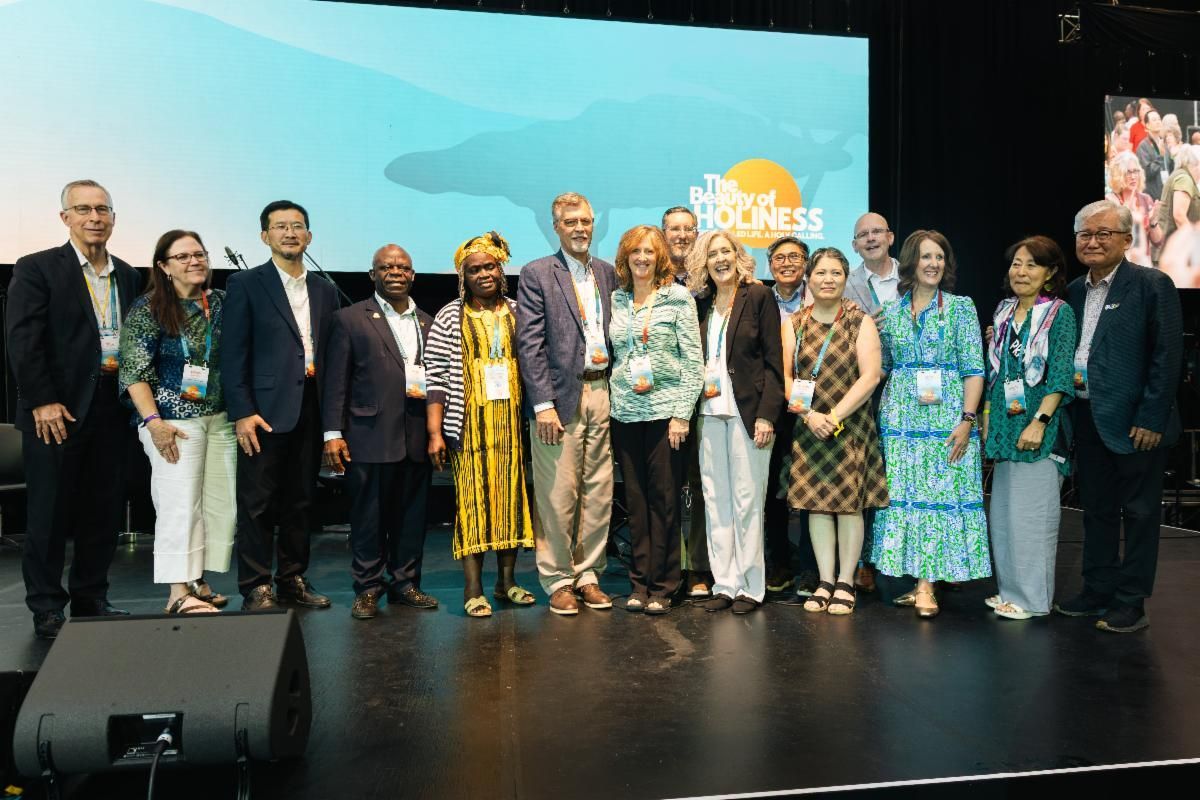
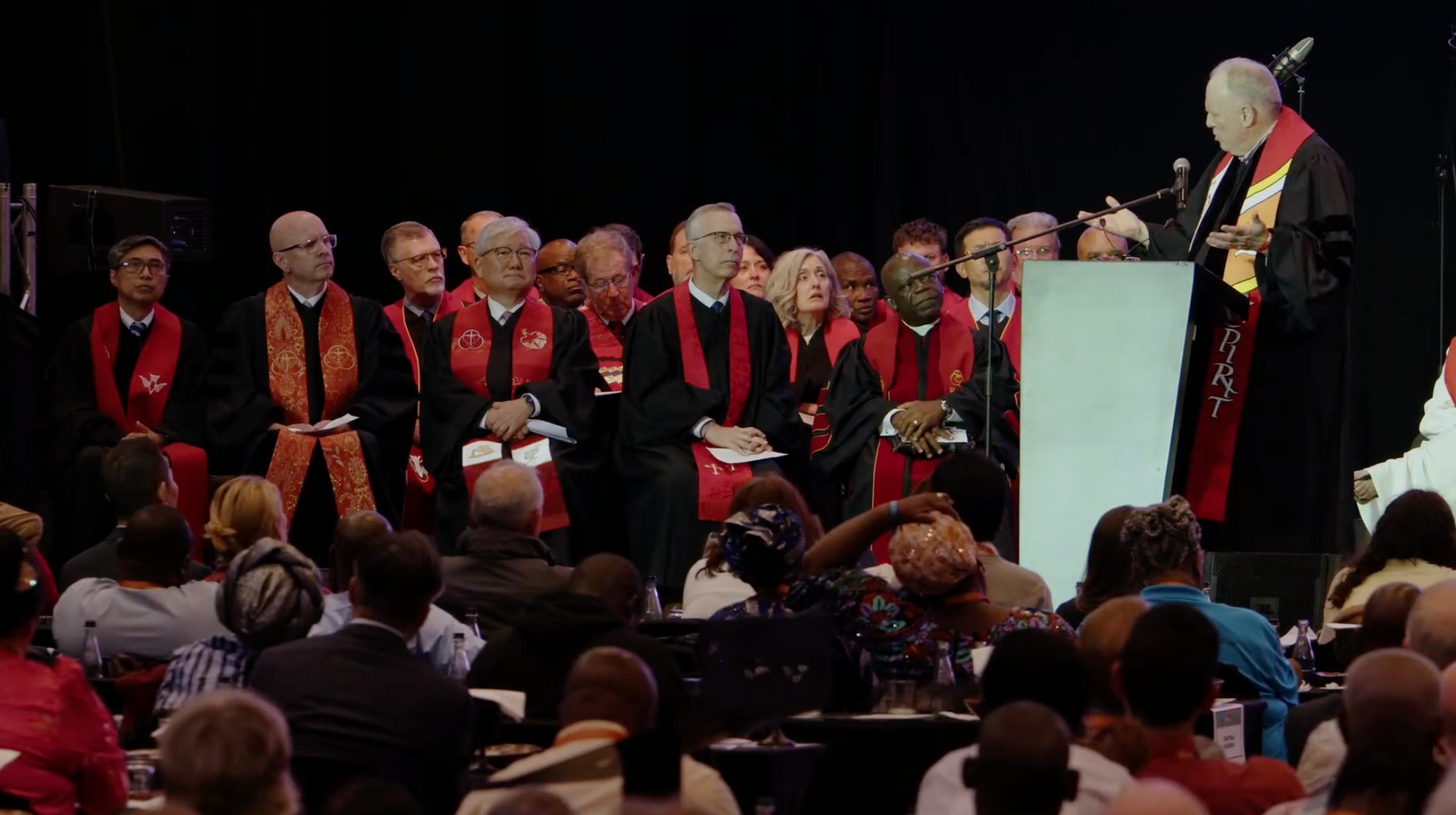
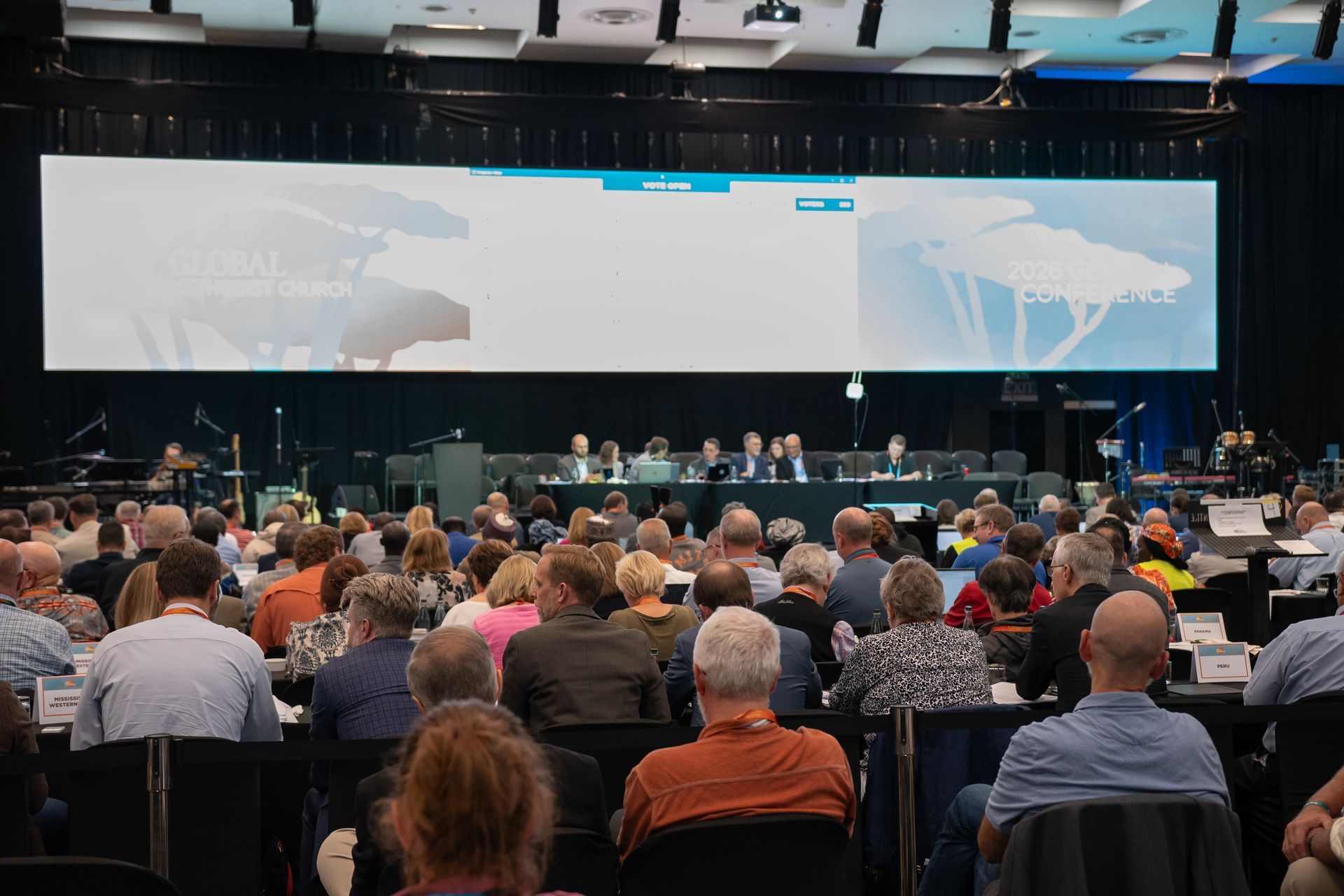
That the Church would take up this question in Johannesburg is itself part of the story. Meeting on the African continent for the first time, the 2026 General Conference has gathered under the theme “The Beauty of Holiness,” and few items on its agenda reach as deeply into the identity of the denomination as its foundational statement of belief. Paragraph 106 of the “Book of Doctrines and Discipline" arrived with seven pieces of legislation and four resolutions attached. Early in the session, the committee voted to use Petition 1441, the report of the Discipleship, Doctrine, and Just Ministry Commission, as its base text for consideration as delegate Greg Stover put it, the body would have “one base from which to work on the articles.”
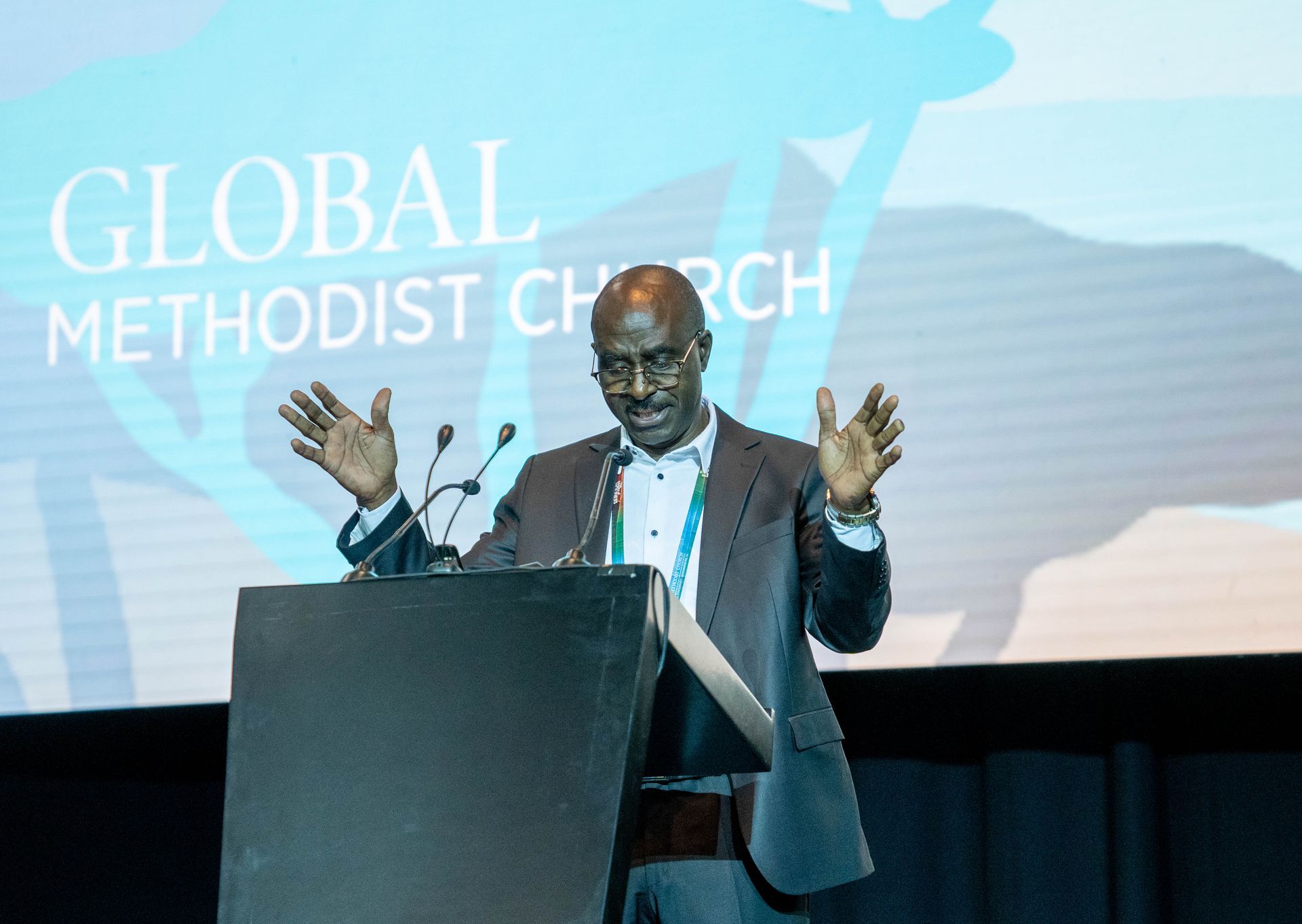
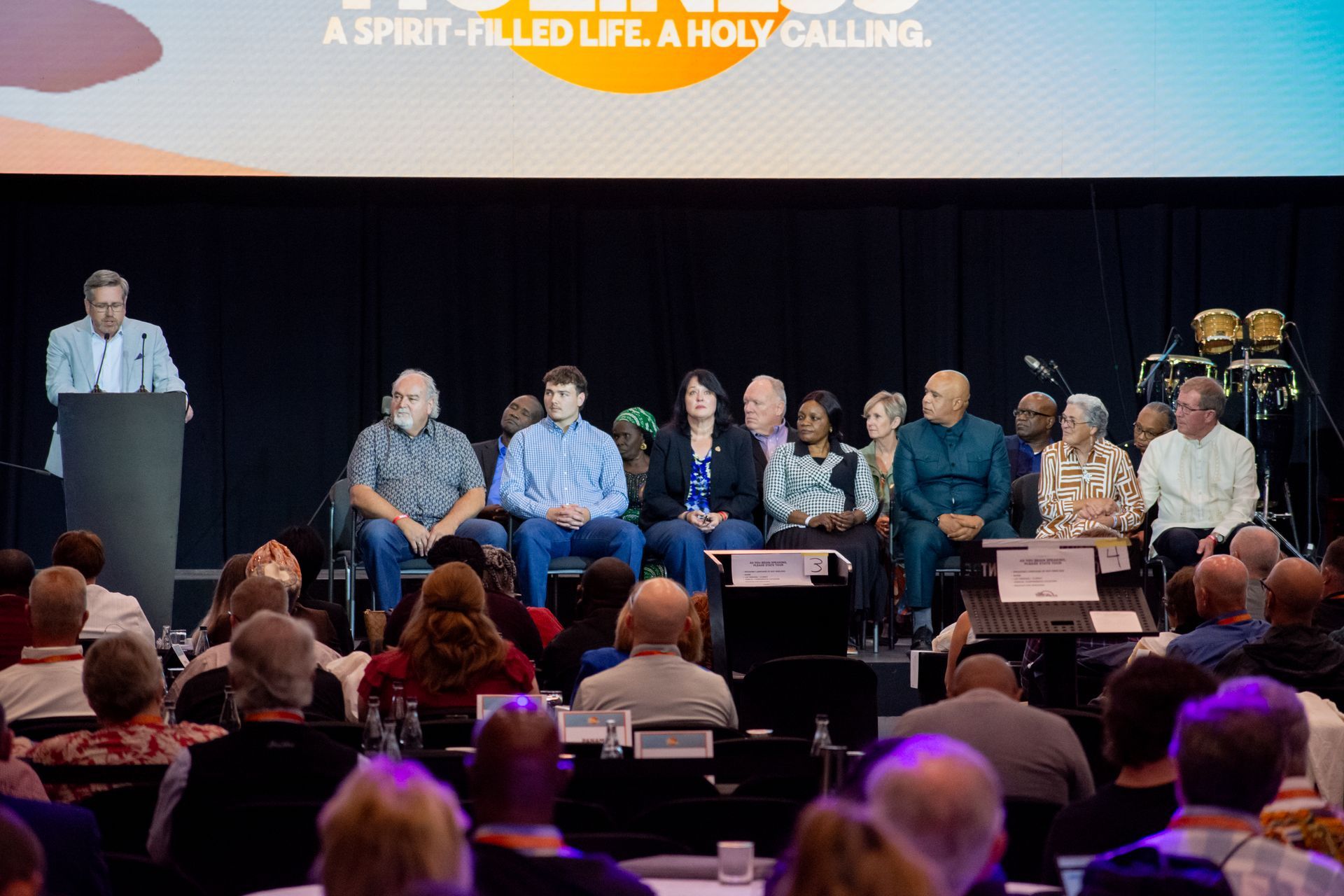
To explain that base, the committee turned to the Commission's chair, Dr. David Watson, clergy of the Allegheny West Annual Conference. The charge, he recalled, had come from the 2024 Convening General Conference with striking simplicity: the commission was told to “combine the articles and the confession” – merging the historic Methodist Articles of Religion with the Evangelical United Brethren Confession of Faith – “and that was really it.”
From that simple mandate the commission assembled a writing team of clergy and laity, men and women with international representation, and divided the work article by article.
Throughout, Watson returned to a single conviction: the statement did not belong to its authors. “There are articles in here that I would state differently,” he told the committee. “But it's not David Watson's document. It's the Church's document.” The aim, he explained, was to produce something “expressive of Wesleyan and orthodox theology” that could be “adopted by the whole Church” – nothing novel, nothing inventive. “We weren't constructing doctrine on our own,” he said. “We were retrieving doctrine for the Church.”
That posture of retrieval did not mean the commission avoided the questions of the present moment. Combining the two source documents surfaced redundant material, which the team removed. But it also revealed gaps the writers felt they could not, in Watson's words, be “irresponsible and negligent” enough to leave unaddressed. Among those areas was theological anthropology — broadly, the Christian understanding of what it means to be human. Watson referenced the view that theological anthropology has become a significant area of doctrinal debate in the present age, comparing its contemporary importance to debates surrounding Christology and the Trinity in the fourth and fifth centuries. “We added a short piece on theological anthropology,” he said, “because that really is the most acute issue of our day.”
He was equally candid about the scrutiny the draft had endured. The Articles passed through the Assembly of Bishops, a review team of roughly fifty readers who commented on every article, and Wesleyan theologians from outside the Global Methodist Church, before the Church's communications team carried the draft out through its official channels, opening it for comment to anyone who wished to weigh in. The Commission worked through the feedback line by line – not adopting every suggestion, since some contradicted others, but, Watson insisted, taking each seriously. For instance, when early readers worried that language calling human beings “fundamentally good” might be misheard as Pelagian, the Commission revised it.
By the time the text had reached the committee floor, it stood at what Watson described as the fourth stage of its vetting.
Watson closed his overview by presenting the proposed articles as “a labor of love for the church.” And its fate, he was quick to add, rests where it belongs with the delegates at General Conference. “I do pray that the Church will adopt these articles," he said, “but if they don't, that's the will of the Church, because it's about the will of the body.”
The discussion that followed made plain how much care remains. Delegates wrestled with the ordering of the articles, the language describing Holy Scripture, use of the word “inerrancy,” how the article on the Holy Spirit should render the Creed's teaching on the Spirit's procession, and more.
Discussion and consideration of amendments were continuing through the committee’s Tuesday meetings, which had not concluded at the time of publication. Following the committee process, the petition containing the proposed Articles of Faith is expected to come before the plenary later this week.
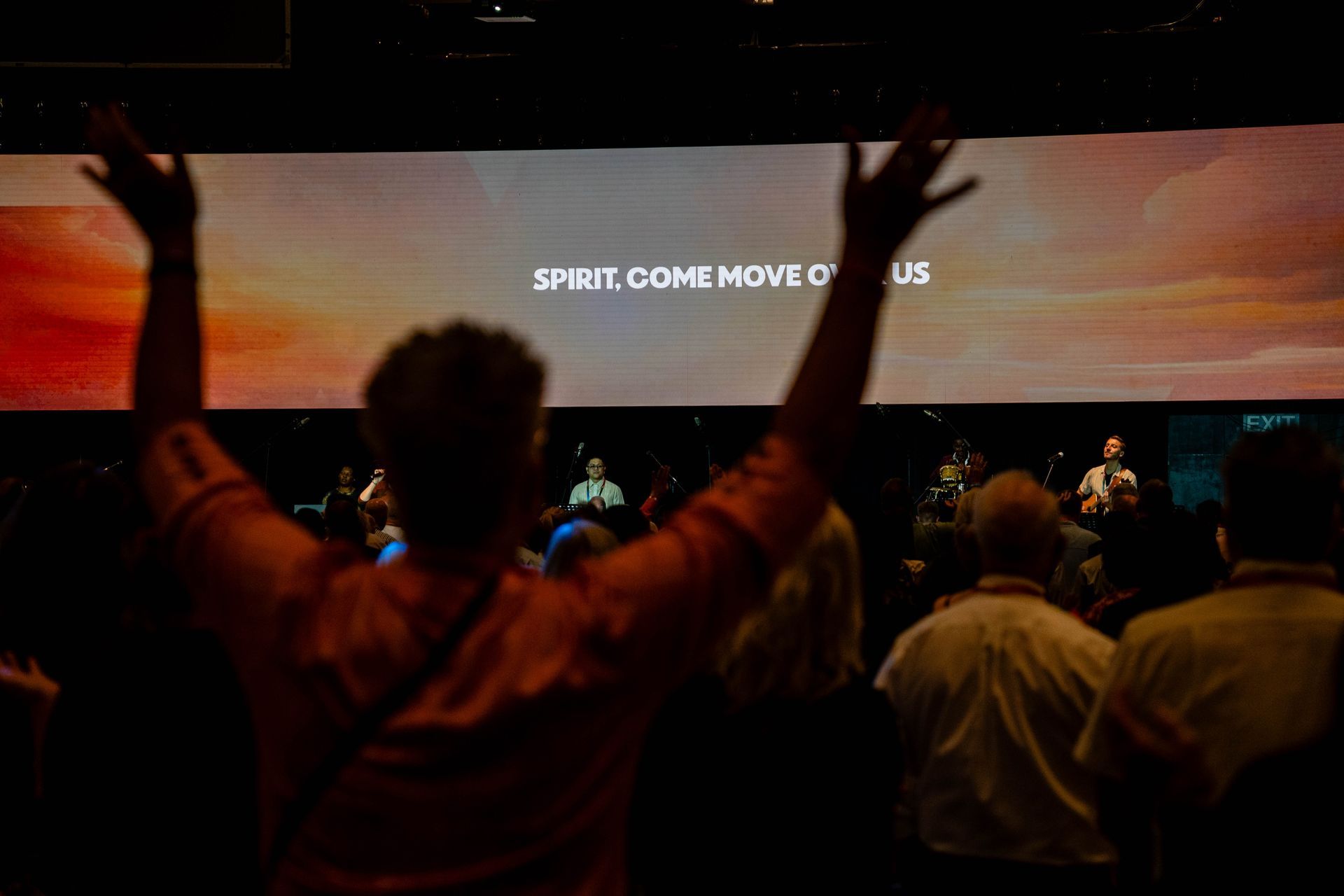
In the meantime, delegates continued the careful work of considering language intended to express the Church’s received faith for a global denomination. For a General Conference gathered under the theme ‘The Beauty of Holiness,’ the committee’s deliberations reflected both the weight of the task before it and the prayerful posture with which delegates approached it.
Related Posts