
One Body, Many Parts: Connectional Council Reports to the Plenary
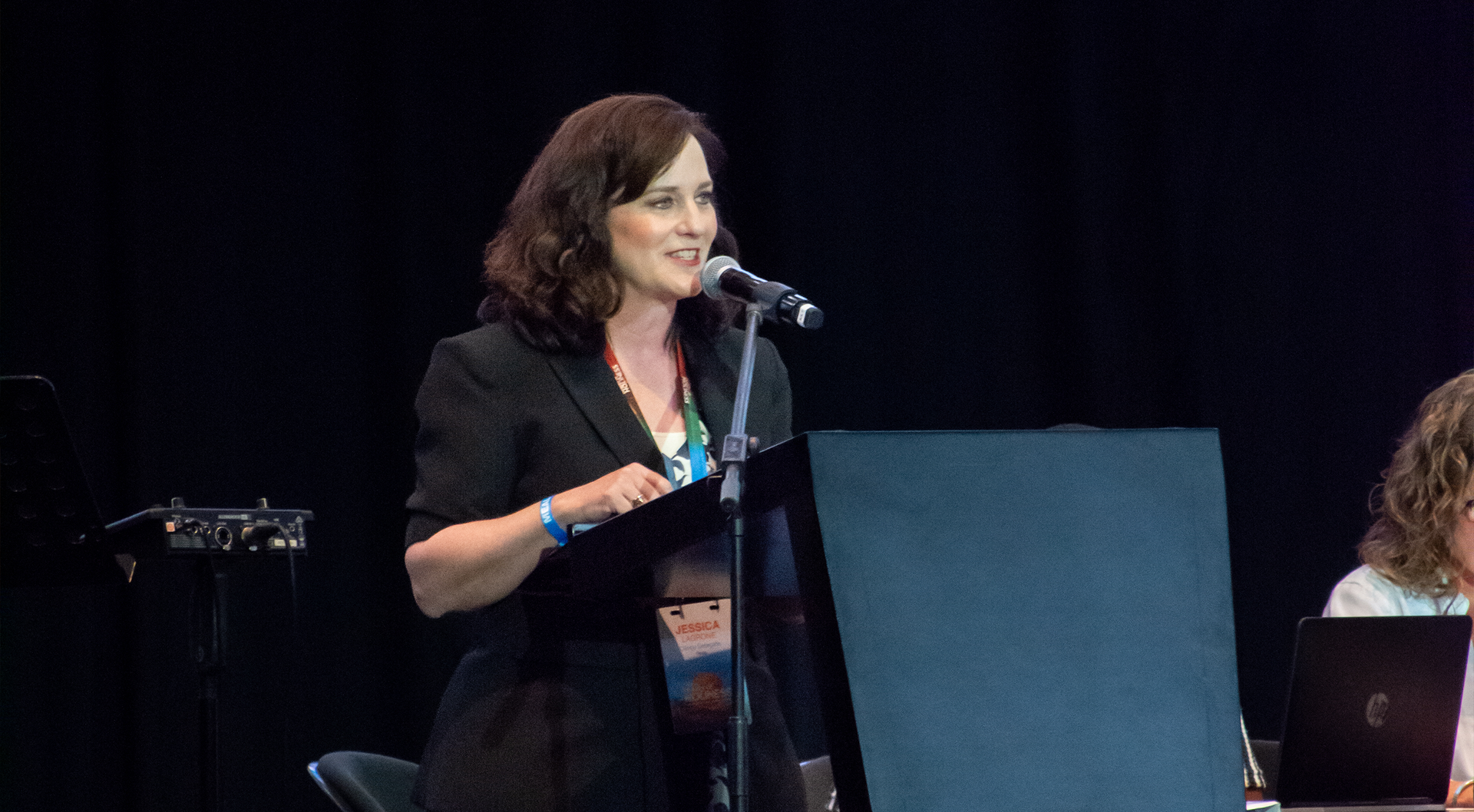
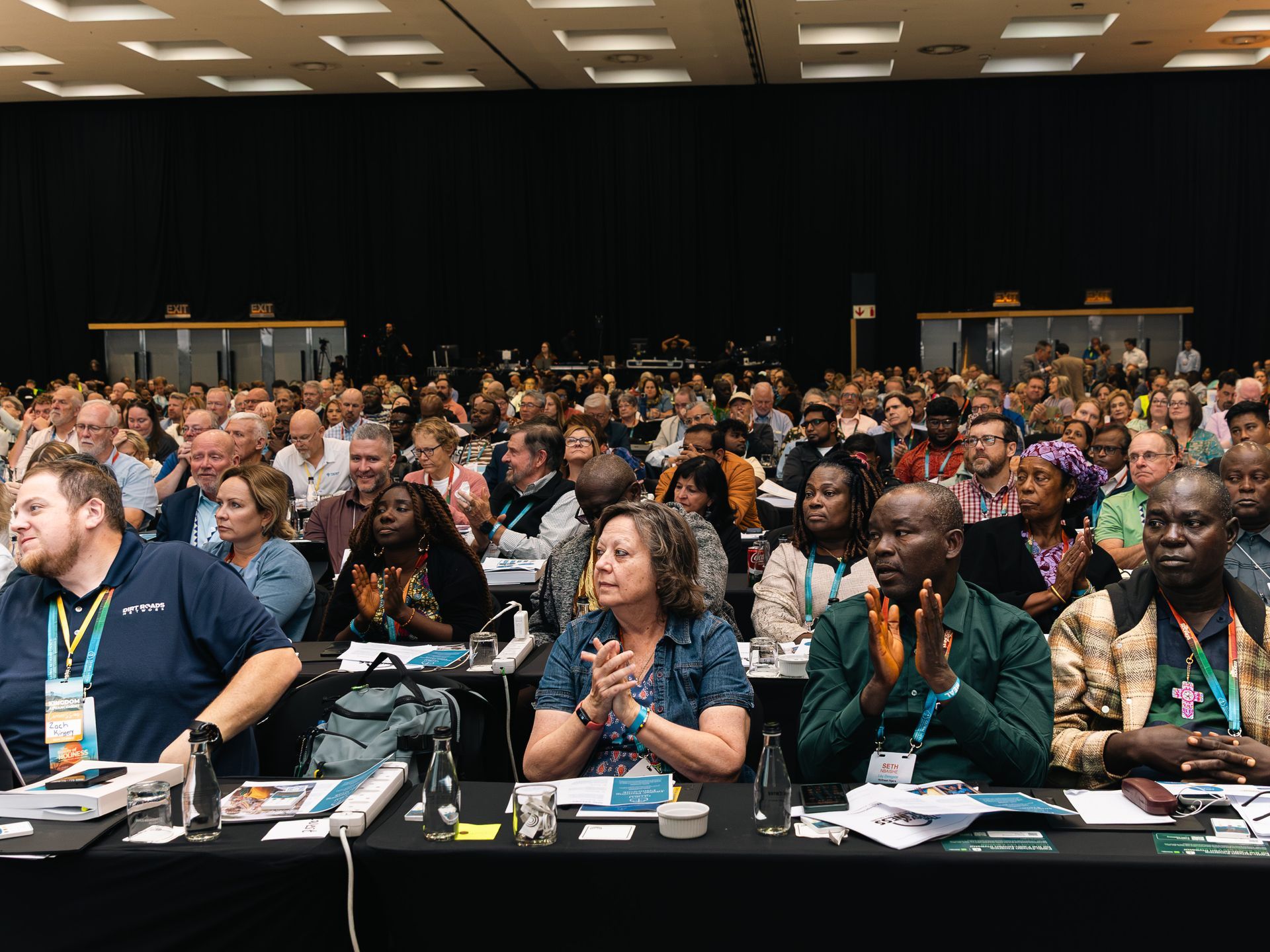
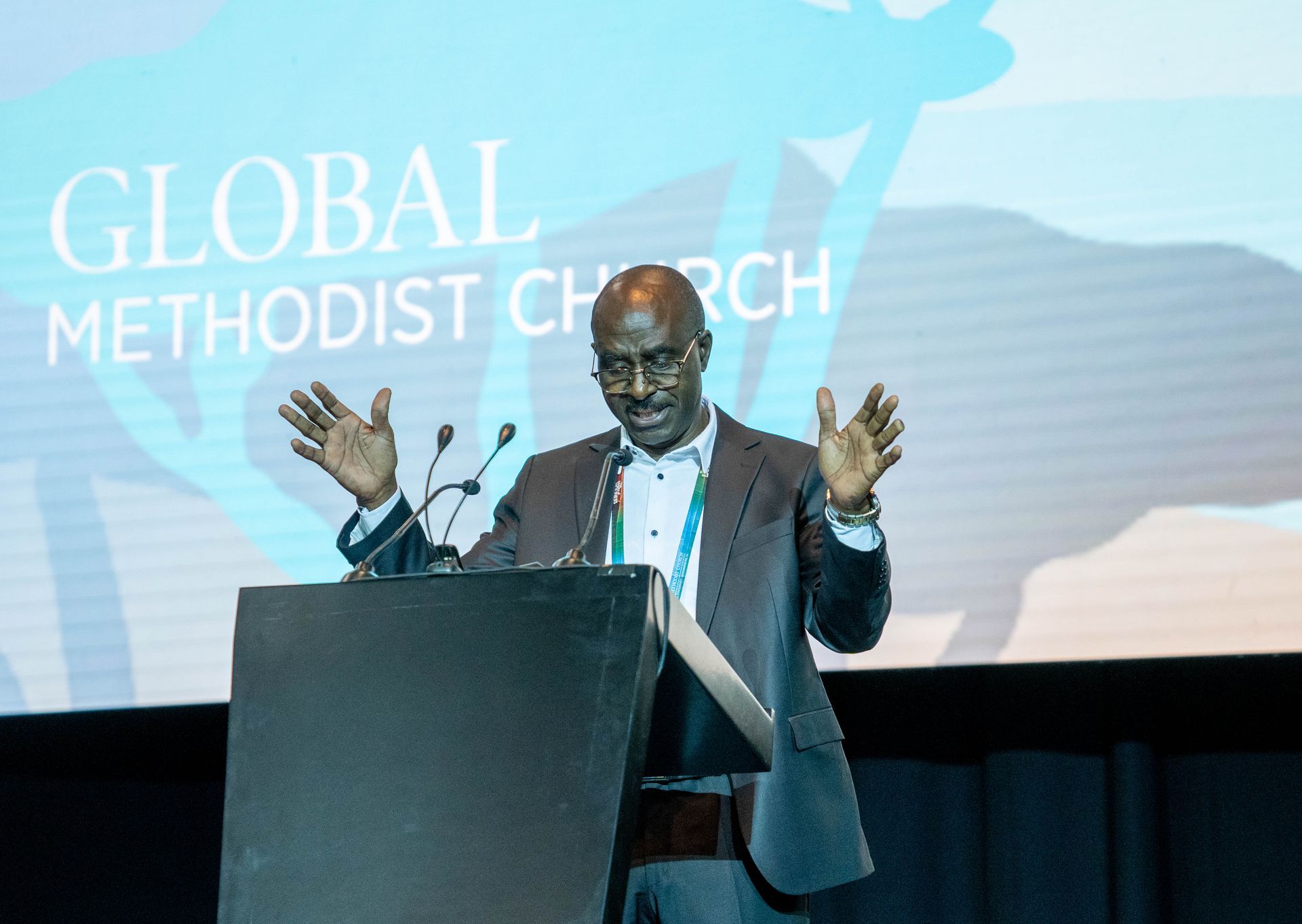
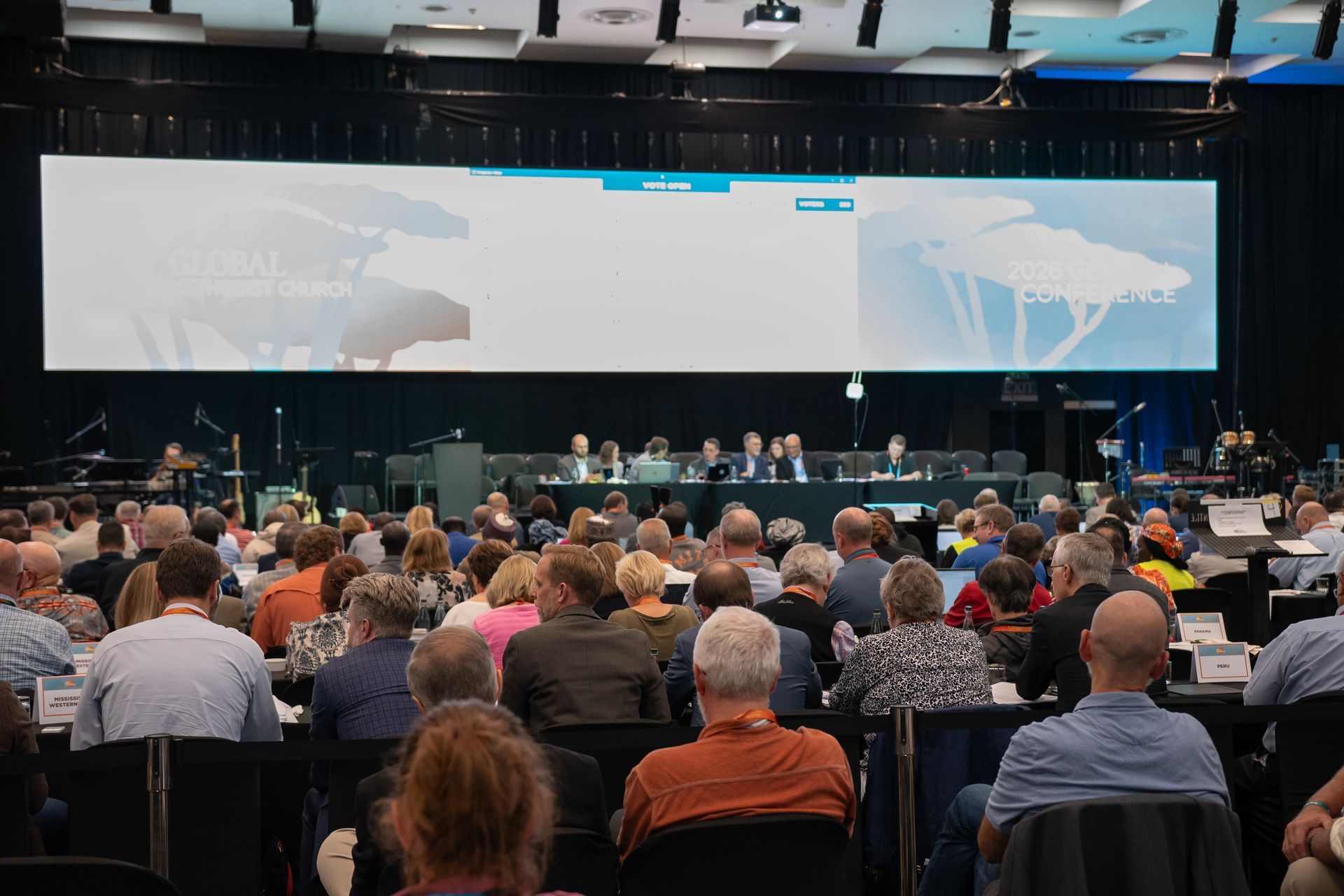
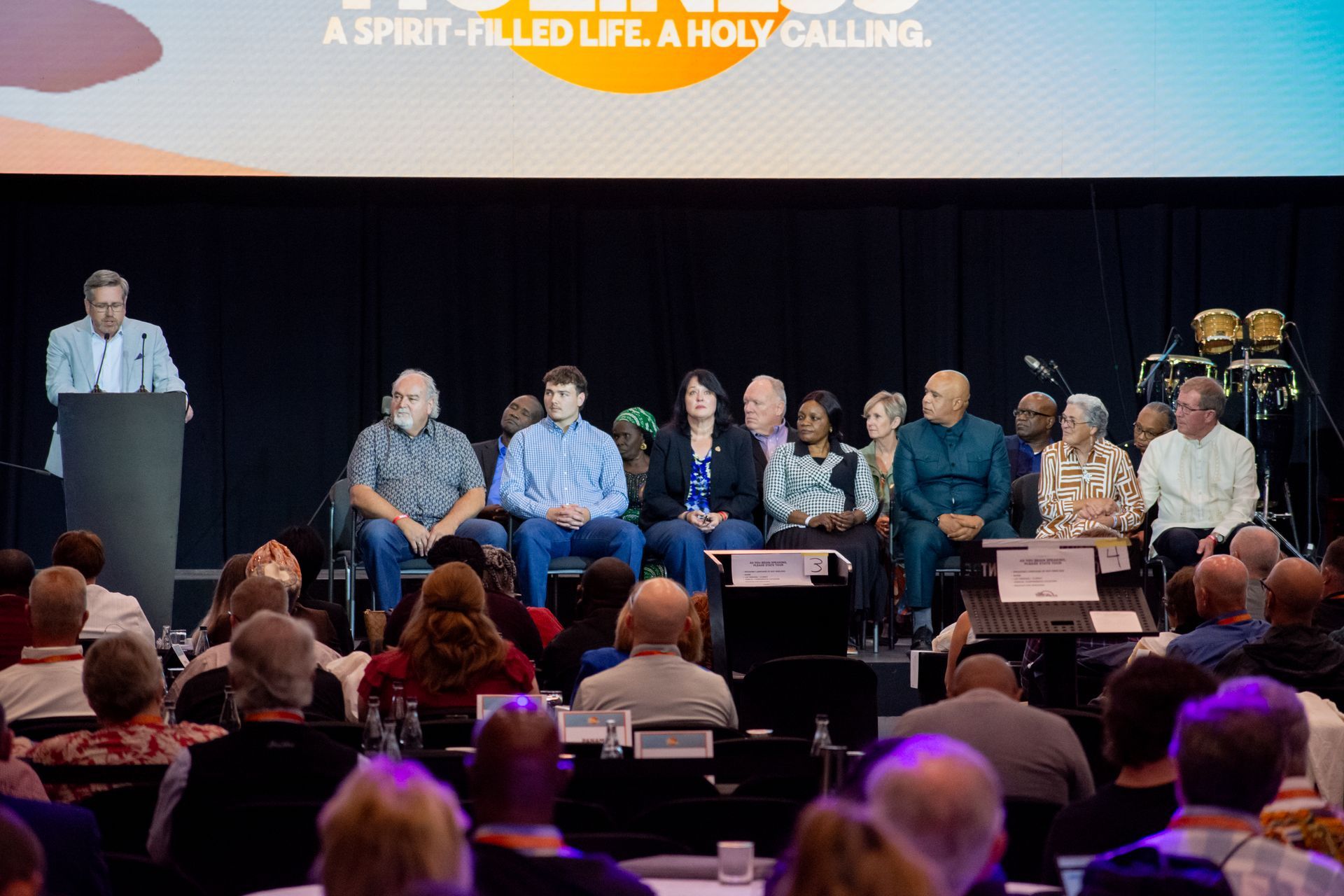
“How would you describe your church?” asked Rev. Dr. Jessica LaGrone, chair of the first Connectional Council of the Global Methodist Church, as she stood before more than 1,300 delegates and guests gathered at the Sandton Convention Centre in Johannesburg. Perhaps it is a historic building, she offered, or a gymnasium, a village, or the shade of a tree. Or perhaps it was the church seen in that very room – a global body gathered from across the world in worship and work together.
LaGrone turned to the Apostle Paul, who described the church as one body of many parts. Drawing on 1 Corinthians 12 and her own background as a “recovering biology major,” she reflected on how the systems of a living body – respiratory and circulatory, nervous and immune – work in seamless partnership so that the whole might flourish. “Friends, this is connectionalism,” she said. The local church remains the heartbeat of the Global Methodist Church, the living cells of the body; the work of the Connectional Council and its commissions exists so that local churches around the globe might receive the connections and nourishment they need to thrive.
It was an intentional frame for the report that followed. Instituted two years ago at the Convening General Conference in San José, Costa Rica, the Connectional Council is a body of 25 global leaders that has met every other week since. In roughly 18 months, LaGrone reported, the council has established foundational connectional structures meant to remain lean, adaptable, and local church-centered. Working with the Conferences Commission, it has approved each new annual conference and emerging area, welcoming delegations to Johannesburg who were not present in Costa Rica. In partnership with the Finance, Administration, Pensions and Benefits Commission, it has overseen the general church budget, emphasizing transparency, accountability, and responsible stewardship. And in close coordination with the General Conference Commission, it prepared for the gathering now underway on the African continent.
Among the report's most anticipated announcements was the work of the Global Liturgy Task Force, led by the Rev. Dr. Tesia Mallory. The draft liturgies of the Global Methodist Church – some already in use in worship at this General Conference – will be released on October 1, 2026, translated into all the official languages of the denomination. A three-month review period will invite feedback from around the connection, with a final editing process beginning in January and publication anticipated in 2027.
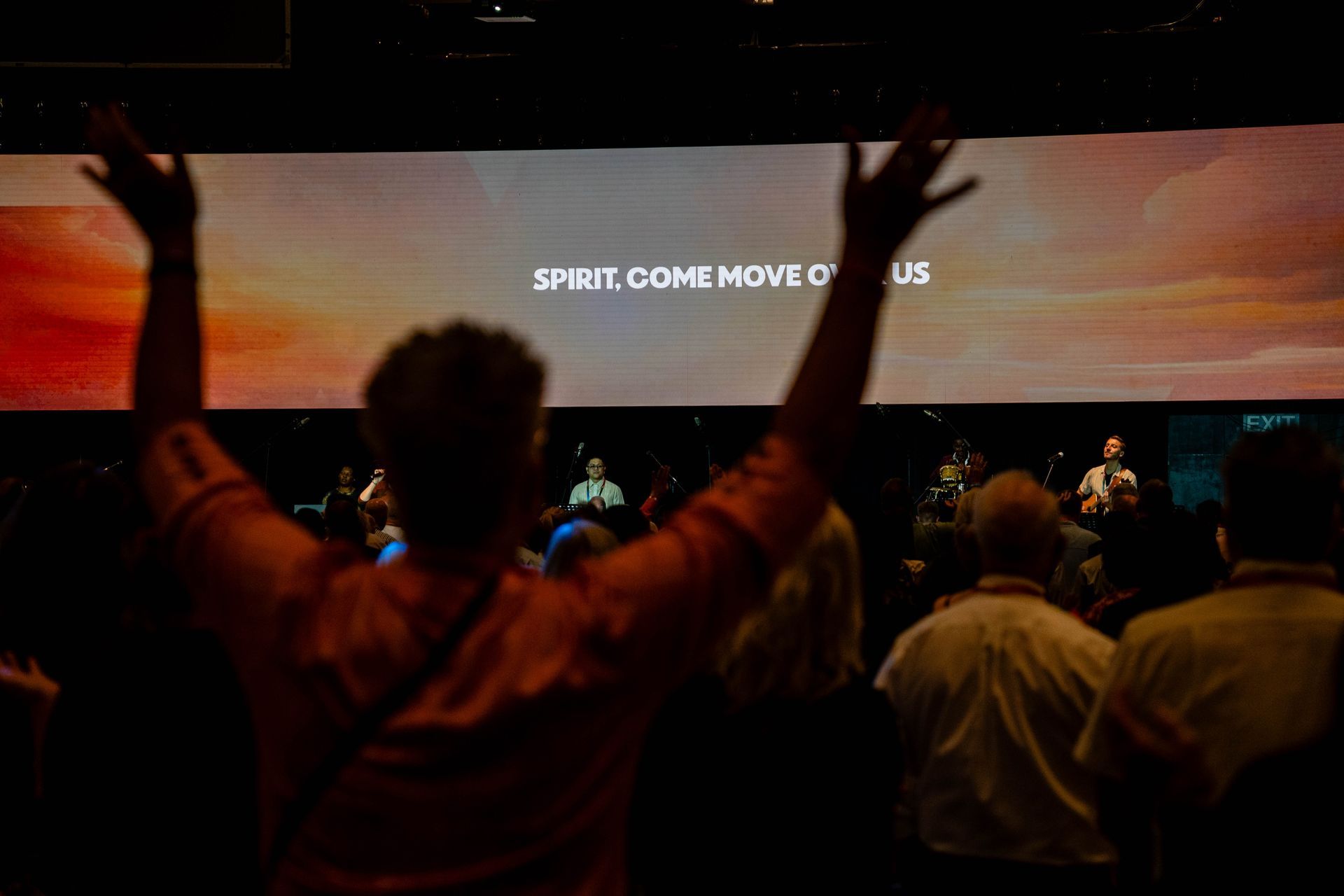
LaGrone was careful to name a caution alongside the progress. As Ezekiel saw in the valley of dry bones, she reminded the body that a skeleton can be fully assembled, bone to bone and tissue to tissue, and still remain lifeless unless the Spirit of God breathes into it. Simply being connected, she said, is not enough. The Church must continually welcome the Holy Spirit into the structures the General Conference sets in motion, or risk becoming the “dead sect” that John Wesley, the founder of Methodism, feared.
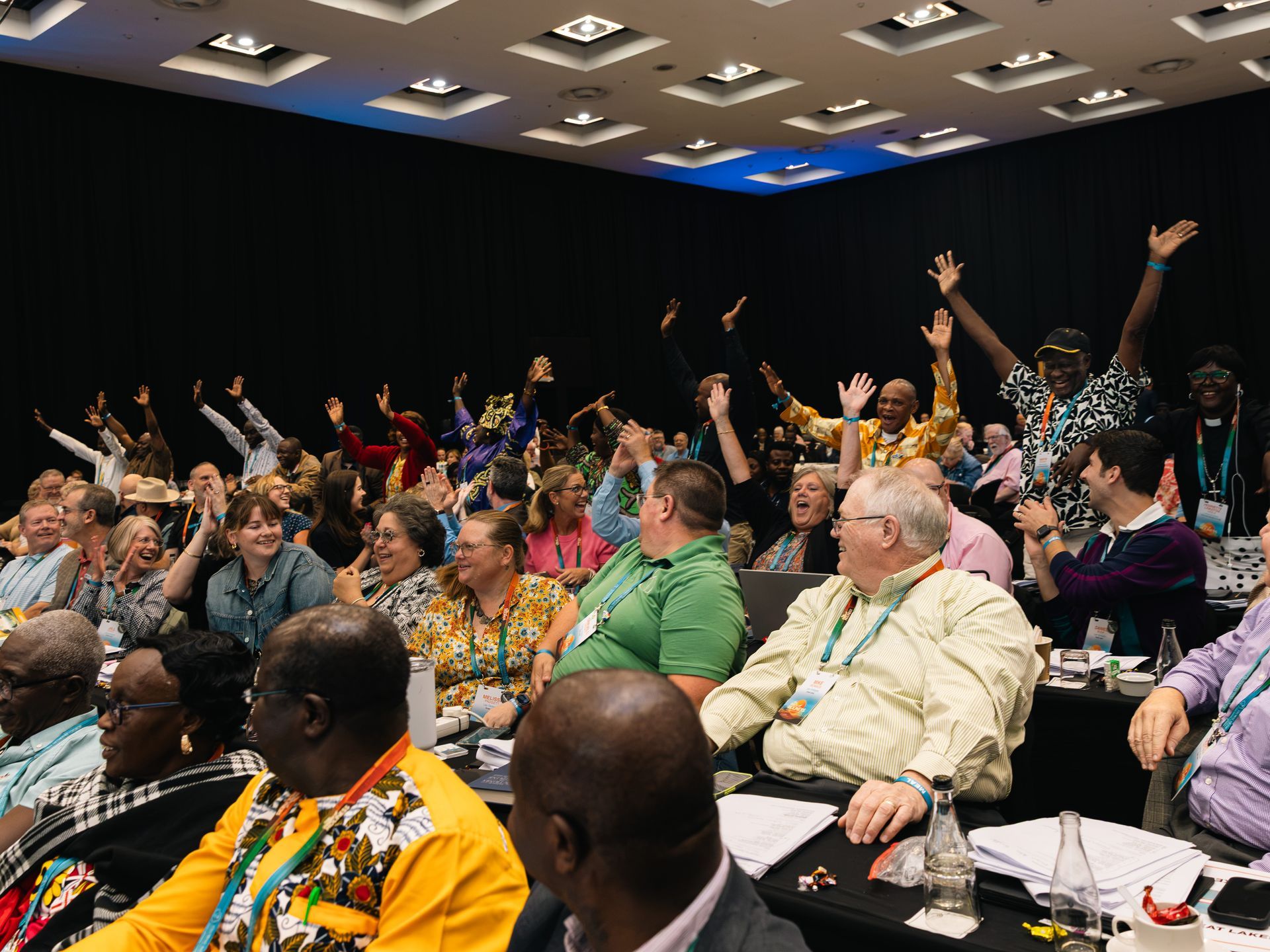
The report also carried the work of the Council's Strategic Planning team, who presented not a legislative proposal but a strategic framework — “more of a direction than a directive,” as LaGrone put it. Rooted in the mission and vision affirmed in Costa Rica, the framework names six values—scriptural, empowered, Wesleyan, missional, global, and connectional. In addition, the framework identifies four shared strategic areas, and three spheres — the local church, the annual conference, and the global church — each with its own calling and none existing for itself. Delegates were invited to set down their voting devices and stand in affirmation that this was indeed the direction they discerned God leading.
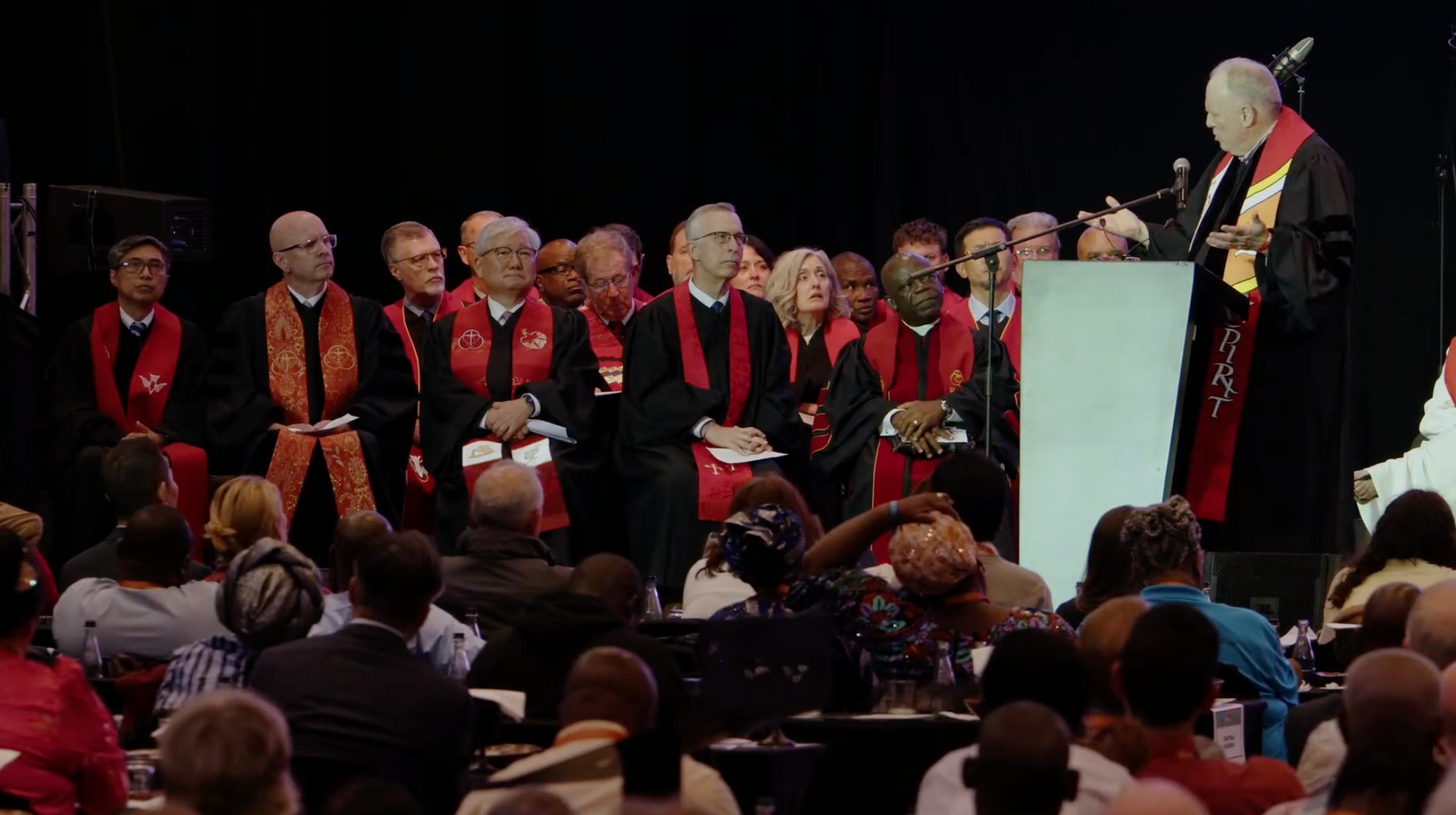
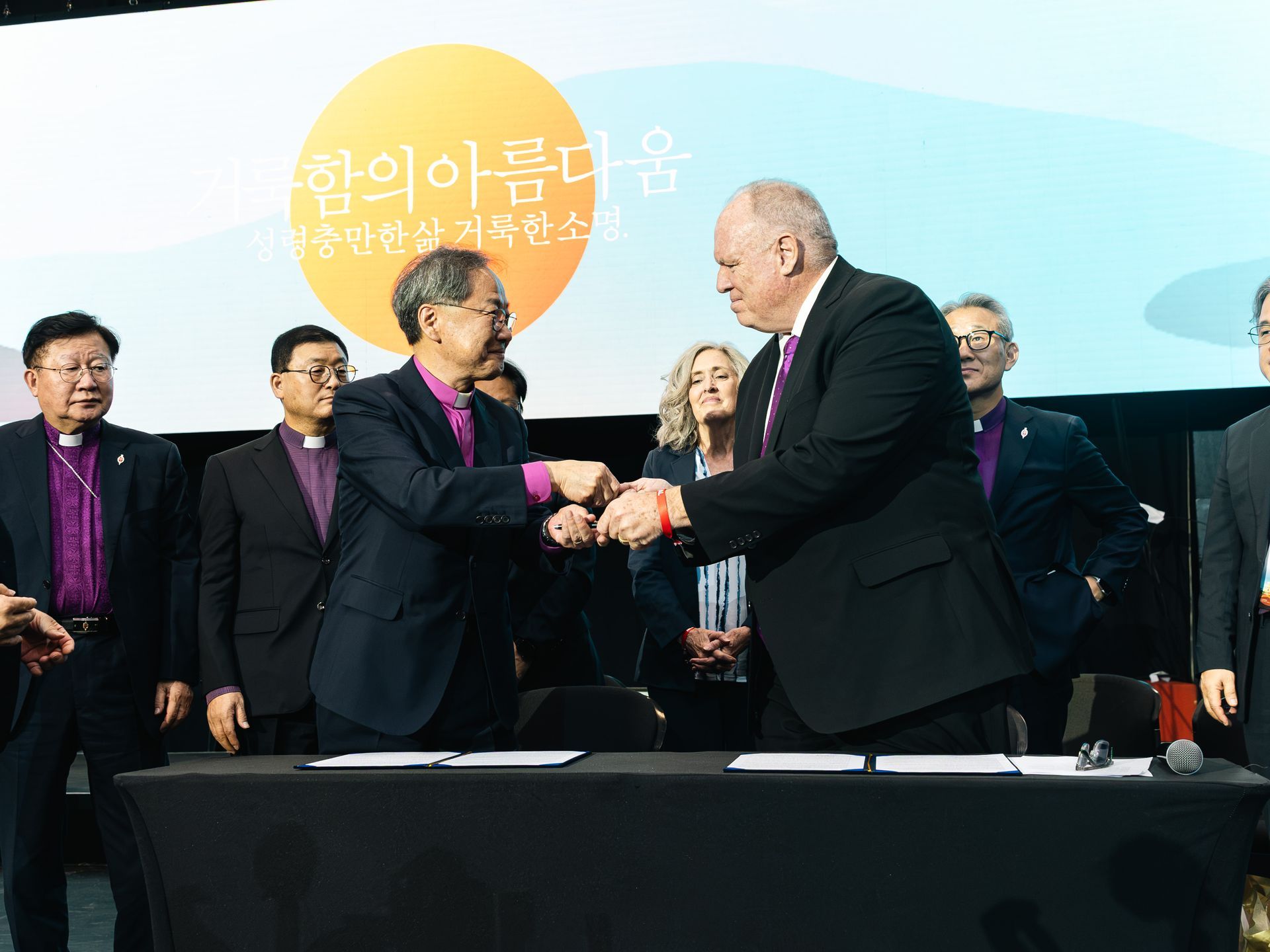
Two disciplinary actions closed the report. Under paragraph 802.2 of the “Book of Doctrines and Discipline,” the General Conference voted to continue the seven connectional commissions named in paragraph 802.3, subject to any changes made through the petitions process. Under paragraph 208, the body also voted to affirm the actions of the Connectional Council over the previous two years.
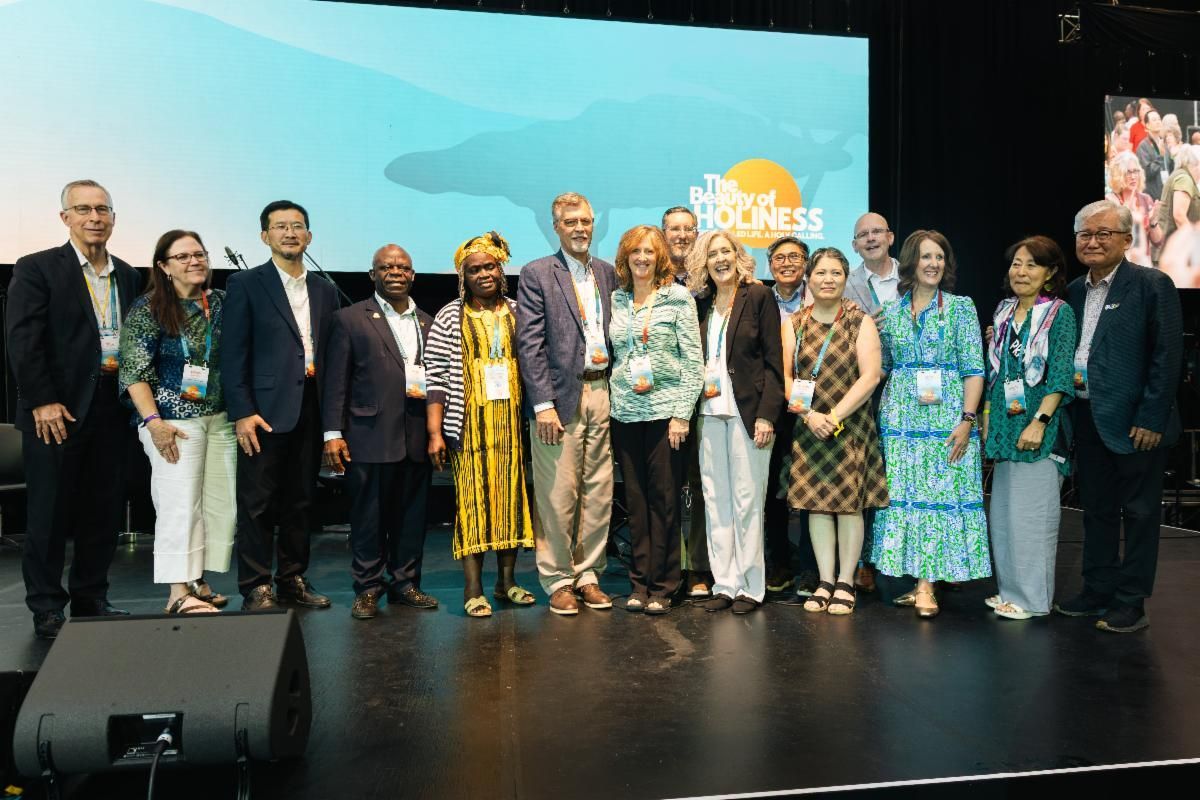
Before the report concluded, the members of the Council and its commissions were invited to stand together and be recognized — the systems of the body, LaGrone said, that have carried life-giving nourishment all the way to the cellular level of the local church. “This is not my report,” she told the delegates. “This is our report and our work.” One body, she reminded them, of many parts, breathing together and connected one to another for the sake of the mission.
Further explore the work of the connectional commissions and the strategic framework:
Watch the connectional commissions video report, in which each commission chair shares the fruit of the past two years.
Review the strategic framework slide deck — the graphic of the three spheres, the six values, and the four strategic areas presented to the plenary.
Related Posts